
Introduction
In today’s fast-paced and ever-evolving industrial landscape, the demand for versatile and efficient building solutions is greater than ever. Steel structure buildings have emerged as a preferred choice across various sectors due to their inherent strength, flexibility, and cost-effectiveness. This article explores the design principles, advantages, and applications of steel structure buildings, highlighting how they cater to the diverse needs of multiple industries, from manufacturing to agriculture.
Understanding Steel Structure Buildings
What Are Steel Structure Buildings?
Steel structure buildings are constructed using steel frames, which provide the necessary support and stability for the entire structure. This method of construction offers significant advantages over traditional materials like wood and concrete, making it a popular choice for a wide array of applications.
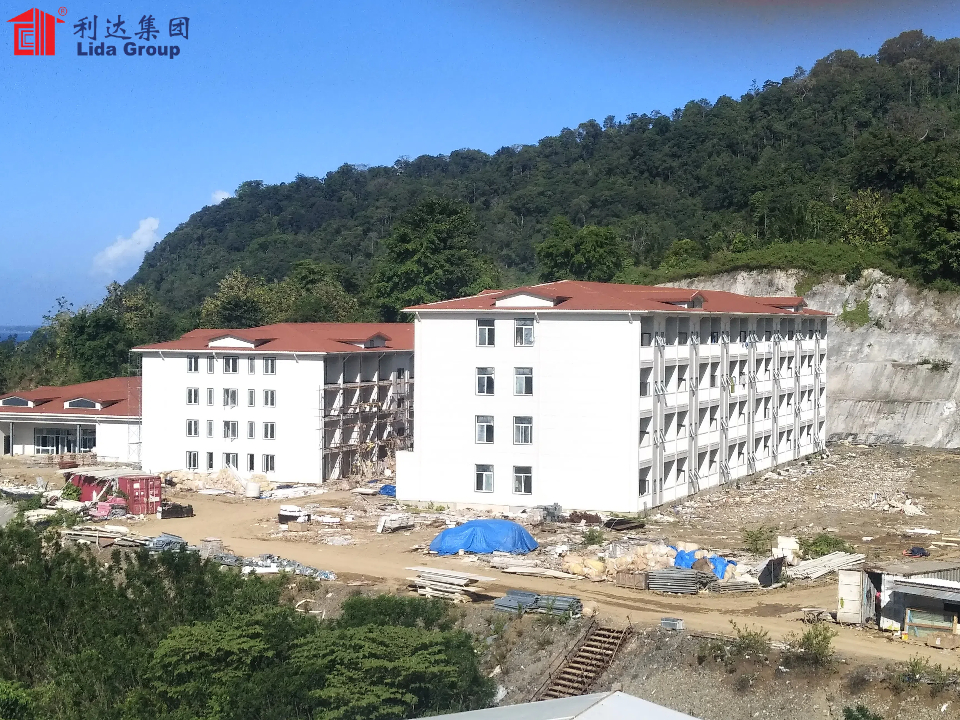
Key Components of Steel Structures
- Steel Frames: The backbone of any steel structure, providing strength and durability.
- Columns and Beams: Vertical and horizontal steel members that support the structure and distribute loads.
- Roof and Wall Systems: These can be made from various materials, including insulated panels, metal sheets, or glass, depending on the building’s purpose.
- Foundations: Steel structures require robust foundations to support the weight of the steel frame and any additional loads.
Advantages of Steel Structure Buildings
1. Strength and Durability
Steel is renowned for its exceptional strength-to-weight ratio. This allows for:
- Longer Spans: Steel structures can span greater distances without the need for intermediate columns, providing open spaces that are ideal for various applications.
- Resilience: Steel is resistant to many environmental factors, including pests, rot, and extreme weather conditions, ensuring a longer lifespan for buildings.
2. Design Flexibility
Steel’s versatility allows architects and engineers to create innovative designs that meet specific needs:
- Customizable Layouts: Steel structures can be easily modified or expanded, accommodating changing business requirements or new technologies.
- Aesthetic Appeal: Modern steel buildings can incorporate various design elements, including glass facades and unique shapes, enhancing visual impact.
3. Cost-Effectiveness
Investing in steel structures can lead to significant cost savings:
- Rapid Construction: Prefabricated steel components can be manufactured off-site and assembled on-site quickly, reducing labor costs and construction time.
- Low Maintenance: The durability of steel results in fewer repairs and maintenance needs, contributing to long-term savings.
4. Sustainability
As sustainability becomes increasingly important in construction, steel structures offer several eco-friendly benefits:
- Recyclability: Steel is 100% recyclable, making it a sustainable choice for construction.
- Energy Efficiency: Steel buildings can be designed with energy-efficient features, such as proper insulation and natural lighting, reducing operational costs and environmental impact.
Applications of Steel Structure Buildings Across Industries
1. Manufacturing and Industrial Facilities
Steel structure buildings are widely used in the manufacturing sector for their strength and adaptability.
Features and Advantages
- Heavy Machinery Support: The robust nature of steel allows for the support of heavy industrial machinery, making it ideal for factories and production facilities.
- Flexible Layouts: Manufacturers can easily modify space configurations based on production needs, enabling efficient workflows.
Case Study: An Automotive Manufacturing Plant
A leading automotive manufacturer required a new facility to increase production capacity. Lida Group designed a steel structure plant that featured:
- Large Open Spaces: The design allowed for the installation of heavy machinery and assembly lines without obstruction.
- Flexible Workstations: Modular areas were created for various assembly processes, making it easy to adapt to changing production demands.
2. Warehousing and Distribution Centers
The logistics industry has seen a significant shift toward steel structures due to their efficiency and scalability.
Features and Advantages
- High Storage Capacity: Steel buildings can accommodate tall storage racks, maximizing vertical space for inventory.
- Efficient Loading and Unloading: The open layout facilitates smooth movement of goods, enhancing operational efficiency.
Case Study: E-Commerce Fulfillment Center
An e-commerce company needed a fulfillment center to manage growing inventory and rapid order processing. Lida Group constructed a steel structure facility that included:
- Automated Systems: Integration of automated picking and sorting systems increased order fulfillment speed.
- Energy-Efficient Design: The facility was designed with energy-efficient lighting and insulation, reducing operational costs.
3. Agricultural Buildings
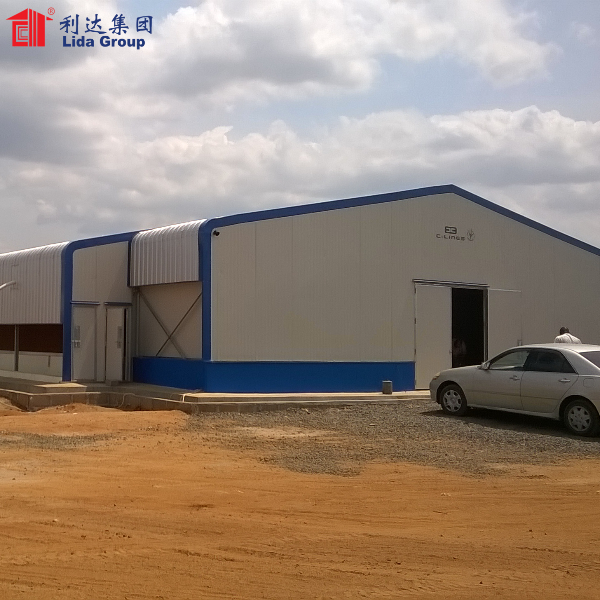
Steel structures are increasingly popular in the agricultural sector for their durability and adaptability.
Features and Advantages
- Weather Resistance: Steel buildings can withstand harsh weather conditions, protecting livestock and equipment.
- Wide Open Spaces: The absence of internal columns allows for flexible layouts, accommodating various agricultural activities.
Case Study: Livestock Barn
A farm needed a new barn to house livestock and store equipment. Lida Group designed a steel structure barn that featured:
- Ventilation Systems: The design included built-in ventilation to ensure a healthy environment for animals.
- Expandable Design: The structure was designed to allow for future expansions as the farm grew.
4. Commercial Buildings
Steel structures are increasingly being used for commercial buildings, including retail spaces and offices.
Features and Advantages
- Aesthetic Versatility: Steel can be combined with other materials, such as glass and wood, to create visually appealing designs.
- Rapid Construction: Steel buildings can be erected quickly, allowing businesses to start operations sooner.
Case Study: Retail Storefront
A retail chain sought to establish a new store in a competitive market. Lida Group developed a steel structure that incorporated:
- Large Glass Facades: The design featured expansive glass windows, creating an inviting atmosphere for customers.
- Flexible Interior Spaces: The interior layout allowed for easy reconfiguration to accommodate different merchandise displays.
5. Educational and Institutional Facilities
Steel structure buildings are also suitable for schools, universities, and other institutional facilities.
Features and Advantages
- Durability: Steel buildings can withstand the wear and tear of daily use, making them ideal for educational environments.
- Flexible Classrooms: The ability to create open, adaptable spaces supports various teaching methods and activities.
Case Study: Community College
A community college required additional classroom space to accommodate growing enrollment. Lida Group designed a steel structure building that included:
- Multi-Purpose Rooms: The flexible design allowed for classrooms to be used for various activities, from lectures to workshops.
- Sustainable Features: The building incorporated energy-efficient designs, such as solar panels and rainwater harvesting systems.
Design Principles for Steel Structure Buildings
Designing versatile steel structure buildings requires careful consideration of several principles:
1. Load-Bearing Considerations
Understanding the loads that a building will experience is crucial:
- Dead Loads: The weight of the structure itself, including walls, floors, and roofs.
- Live Loads: The weight of occupants, furniture, and equipment.
- Environmental Loads: Forces from wind, snow, and earthquakes must be considered in the design.
2. Flexibility and Adaptability
Buildings should be designed with future needs in mind:
- Modular Components: Using modular designs allows for easy expansion and reconfiguration as business needs change.
- Flexible Layouts: Open floor plans enable businesses to adapt spaces for different uses over time.
3. Sustainable Design Practices
Incorporating sustainability into the design process is essential:
- Energy Efficiency: Utilizing natural light and efficient HVAC systems can significantly reduce energy consumption.
- Material Selection: Choosing sustainable materials and practices contributes to a lower environmental impact.
4. Compliance with Regulations
Ensuring compliance with local building codes and regulations is crucial for successful projects:
- Zoning Laws: Understanding zoning requirements helps determine the allowable uses and design parameters for the building.
- Safety Standards: Adhering to safety regulations ensures the protection of occupants and the integrity of the structure.
Challenges in Designing Steel Structure Buildings
While steel structures offer numerous advantages, several challenges must be addressed:
1. Initial Cost Considerations
Although steel structures can lead to long-term savings, the initial investment may be higher compared to traditional materials:
- Material Costs: Fluctuating steel prices can impact project budgets and timelines.
- Fabrication and Transport: The need for precise fabrication and transport of steel components can add to costs.
2. Technical Expertise
Designing and constructing steel structures requires specialized knowledge and skills:
- Engineering Expertise: Structural engineers must have a deep understanding of steel design principles and load calculations.
- Skilled Labor: Skilled labor is necessary for the fabrication and assembly of steel components, which can be a challenge in some regions.
3. Environmental Concerns
Steel production has environmental impacts that must be considered:
- Carbon Footprint: The steel manufacturing process can be energy-intensive and contribute to greenhouse gas emissions.
- Sustainable Practices: Emphasizing recycling and sustainable practices in steel production is crucial for reducing environmental impact.
The Future of Steel Structure Buildings
1. Technological Advancements
The future of steel structure buildings will be shaped by continued technological advancements:
- Building Information Modeling (BIM): BIM allows for better visualization and planning of steel structures, enhancing collaboration among architects, engineers, and contractors.
- Automation: Automated fabrication techniques can increase precision and efficiency in the production of steel components.
2. Sustainable Practices
As sustainability becomes a priority in construction, the steel industry is adapting:
- Green Steel Production: Innovations in the production of steel, such as using renewable energy sources and recycling, will reduce the environmental impact.
- Life Cycle Assessment: Assessing the life cycle of steel structures will help identify opportunities for improvement in sustainability.
3. Global Market Trends
The demand for steel structure buildings is expected to grow globally:
- Emerging Markets: Developing countries are increasingly adopting steel structures for their affordability and speed of construction.
- Diverse Applications: As industries evolve, the applications for steel structures will expand, further driving demand.
Conclusion
Steel structure buildings represent a versatile and efficient solution for a wide range of industries. Their strength, durability, and adaptability make them ideal for manufacturing, warehousing, agriculture, commercial, and institutional applications. Lida Group’s commitment to quality and innovation in steel structure design has positioned it as a leader in the industry, helping businesses meet their diverse needs.
As we move forward, the integration of advanced technologies and sustainable practices will continue to shape the future of steel structure buildings. By embracing these trends, industries can create efficient, modern spaces that not only meet current demands but also prepare for the challenges of tomorrow. Steel structures will undoubtedly remain at the forefront of construction solutions, offering the resilience and flexibility needed in an ever-changing world.
Contact Us
Post time: Nov-29-2024