
Introduction:
Warehouse design plays a crucial role in optimizing storage space, improving operational efficiency, and enhancing overall productivity. With advancements in construction technology and innovative design solutions, the evolution of warehouse design has transformed traditional storage facilities into modern, flexible, and sustainable spaces. Lida Group, a leading provider of steel structures, has been at the forefront of this evolution, offering cutting-edge warehouse solutions that meet the evolving needs of businesses. This article explores the evolution of warehouse design and highlights how Lida Group’s steel structures have contributed to this transformation.
- Traditional Warehouses: Space Optimization Challenges
Traditional warehouses were often characterized by static layouts, fixed structures, and limited flexibility. These warehouses faced challenges in space optimization, efficient material flow, and adaptability to changing demands. Common issues included:
a. Inefficient Space Utilization: Traditional warehouses often had large, open spaces with limited storage density. This resulted in wasted floor space and inefficient utilization of available storage areas.
b. Lack of Flexibility: Fixed structures and layouts made it difficult to adapt to changing storage requirements. As businesses evolved and product lines diversified, traditional warehouses struggled to accommodate new storage configurations.
c. Inadequate Material Flow: Inefficient material flow and poor accessibility hindered the movement of goods within the warehouse. This impacted order fulfillment, inventory management, and overall operational efficiency.
- Evolution of Warehouse Design: Key Trends and Innovations
a. Vertical Storage Solutions: To optimize space utilization, warehouses began to embrace vertical storage solutions. This involved the use of mezzanine floors, multi-level shelving systems, and high-rise storage racks. Vertical storage solutions significantly increased storage capacity without expanding the warehouse’s footprint.
b. Flexibility and Modular Design: The need for adaptable storage spaces led to the adoption of modular designs. Modular structures allowed for easy reconfiguration and expansion, enabling warehouses to adjust to changing storage needs and accommodate different product lines.
c. Automation and Robotics Integration: The rise of automation and robotics revolutionized warehouse operations. Automated storage and retrieval systems (AS/RS), conveyor systems, and robotic pickers enhanced material flow, increased picking efficiency, and reduced human labor requirements.
d. Sustainable Warehousing: With growing environmental concerns, warehouses began incorporating sustainable design elements. This included energy-efficient lighting systems, solar panels, rainwater harvesting, and eco-friendly insulation materials. Sustainable warehousing not only reduced environmental impact but also lowered operational costs.
- Lida Group’s Steel Structures: Advancing Warehouse Design
Lida Group has played a significant role in the evolution of warehouse design with its innovative steel structures. The company’s solutions have addressed key challenges faced by traditional warehouses and have introduced new possibilities for efficient and sustainable storage facilities.
a. Structural Strength and Flexibility: Lida Group’s steel structures provide superior strength, durability, and flexibility. Steel frames allow for large clear-span spaces, eliminating the need for internal columns and maximizing storage capacity. This flexibility enables easy customization and adaptation to various storage requirements.
b. Quick Assembly and Modular Design: Lida Group’s steel structures utilize prefabricated components, allowing for rapid assembly and construction. The modular design enables easy expansion, reconfiguration, and integration of additional features such as mezzanine floors and conveyor systems. This flexibility ensures warehouses can adapt to changing needs and scale their operations efficiently.
c. Integration with Automation: Lida Group’s steel structures are designed to seamlessly integrate with automation and robotics systems. The clear-span spaces and high load-bearing capacities of steel structures support the installation of AS/RS, conveyor belts, and robotic picking systems. This integration enhances material flow, reduces labor costs, and improves overall operational efficiency.
d. Sustainable Features: Lida Group prioritizes sustainability in warehouse design. Steel is a recyclable and eco-friendly material, reducing the environmental impact associated with construction. Additionally, Lida Group’s steel structures can incorporate energy-efficient systems, natural lighting solutions, and rainwater management systems, further enhancing the sustainability of warehouses.
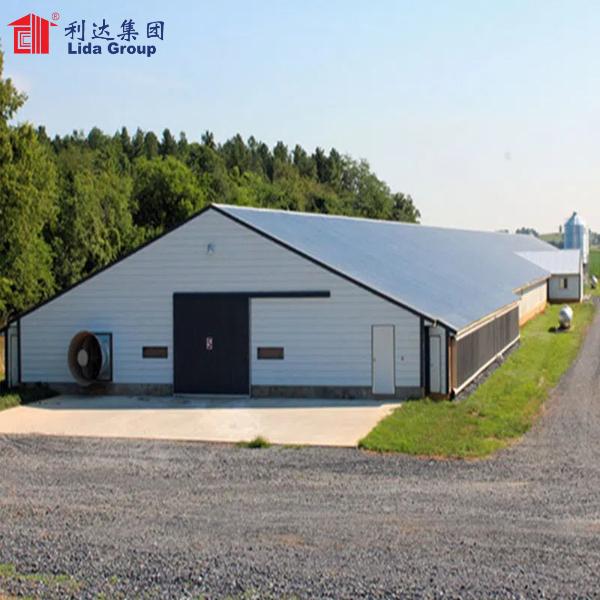
- Benefits of Lida Group’s Steel Structures in Warehouse Design:
a. Maximizing Storage Capacity: Lida Group’s steel structures enable efficient space utilization, maximizing storage capacity within the warehouse. The clear-span design eliminates internal columns, providing unobstructed storage areas and accommodating various storage configurations.
b. Adaptability to Changing Needs: The modular design and flexibility of Lida Group’s steel structures allow for easy adaptation to changing storage requirements. Warehouses can be expanded, reconfigured, or repurposed without significant disruptions, ensuring long-term viability and cost-effectiveness.
c. Enhanced Operational Efficiency: Lida Group’s steel structures facilitate efficient material flow, reducing bottlenecks and improving overall operational efficiency. Integration with automation and robotics systems streamlines warehouse processes, optimizing order fulfillment and reducing picking and handling time.
d. Durability and Safety: Steel structures offer exceptional durability and safety, ensuring the protection of goods and personnel. Steel is resistant to fire, pests, and adverse weather conditions, providing a secure environment for stored items.
e. Sustainability and Cost Savings: Lida Group’s steel structures contribute to sustainable warehouse design by incorporating energy-efficient features, utilizing recyclable materials, and allowing for the integration of renewable energy sources. These sustainable practices not only reduce environmental impact but also result in long-term cost savings through energy efficiency and lower maintenance requirements.
f. Faster Construction Time: The prefabricated nature of Lida Group’s steel structures enables faster construction compared to traditional building methods. This reduces project timelines, minimizes disruptions to warehouse operations, and allows businesses to start utilizing their storage facilities sooner.
Conclusion:
The evolution of warehouse design has transformed traditional storage facilities into modern, flexible, and sustainable spaces. Lida Group’s steel structures have been at the forefront of this evolution, offering innovative solutions that address the challenges of space optimization, flexibility, and operational efficiency. With their structural strength, flexibility, and integration capabilities with automation systems, Lida Group’s steel structures provide numerous benefits for warehouses, including maximizing storage capacity, adapting to changing needs, enhancing operational efficiency, ensuring durability and safety, and promoting sustainability. As businesses continue to seek efficient and adaptable storage solutions, Lida Group’s steel structures remain a reliable and cutting-edge choice in the evolution of warehouse design.
Contact Us
Post time: Jul-19-2024